Basement Waterproofing NJ and Dehumidification: A Powerful Combination
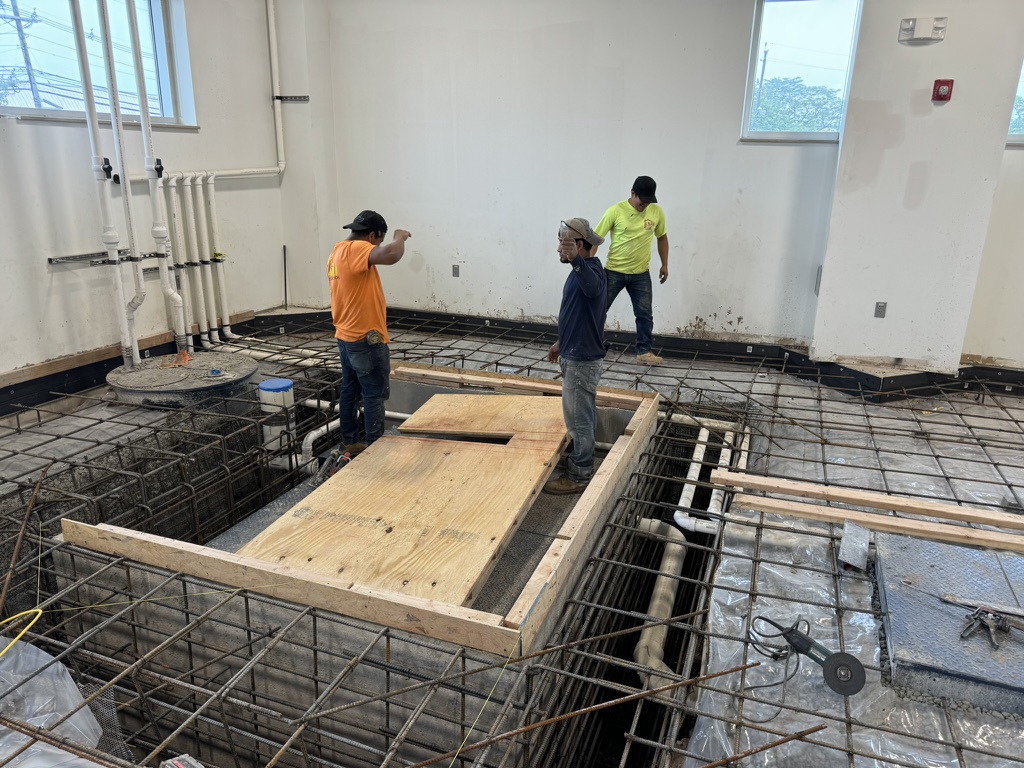

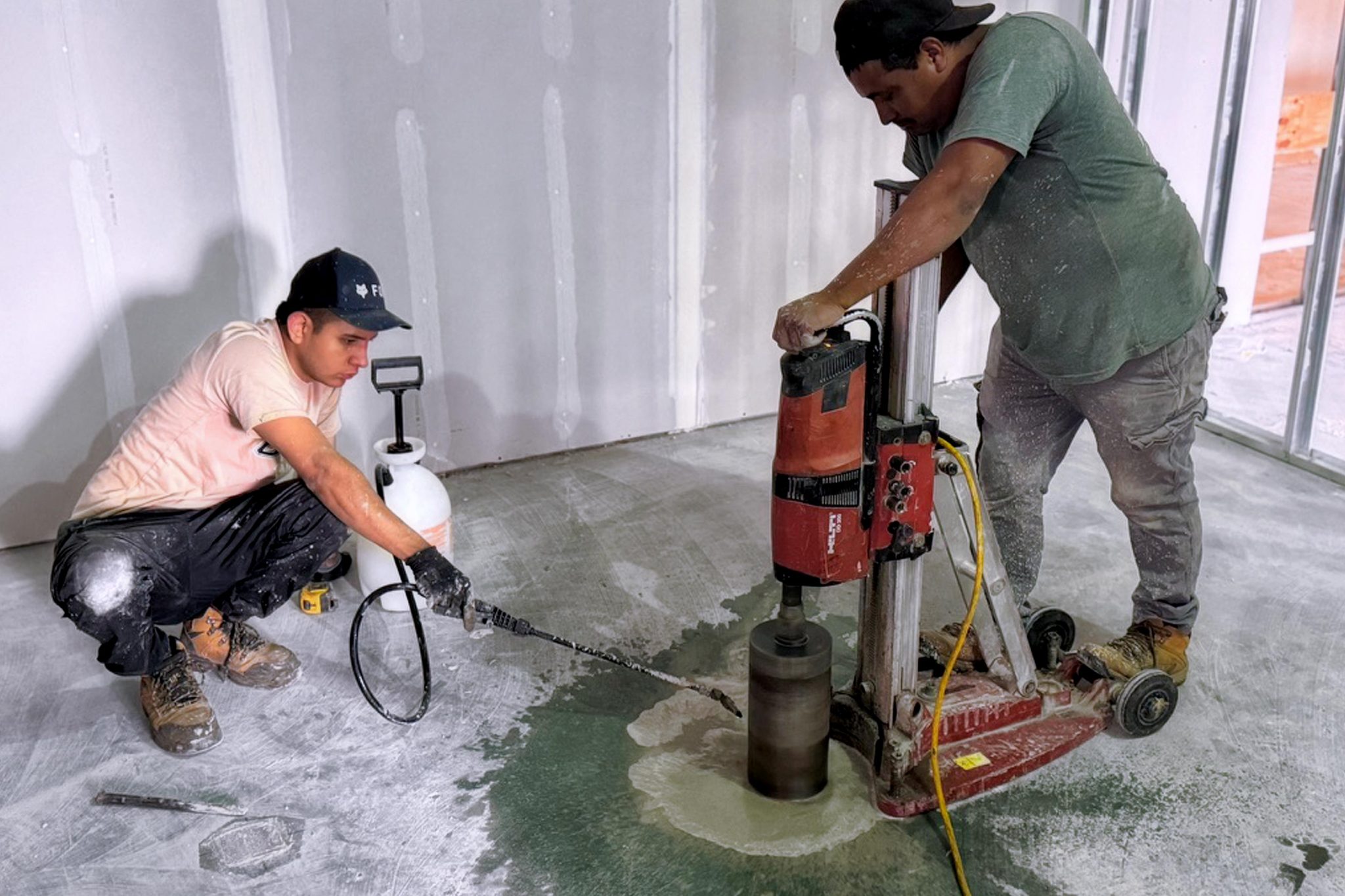
A dry basement is rarely the result of one good product or one quick repair. In New Jersey homes, it usually comes from a system that addresses water at several levels, starting with liquid intrusion and ending with the moisture that lingers in the air long after the floor looks dry. That is why Basement Waterproofing NJ and dehumidification work so well together. One keeps water from entering or accumulating, the other controls the damp environment that leads to odors, mold growth, and a generally unhealthy lower level.
Homeowners often discover this the hard way. A basement can look fine on a sunny Saturday, then smell musty by Tuesday. Cardboard boxes soften. Metal shelving develops surface rust. Paint blisters near the base of the wall. None of that always means standing water is present. Often, the real problem is excessive humidity riding alongside minor seepage, seasonal groundwater pressure, or condensation on cool surfaces.
In New Jersey, that pattern is common. The region gets heavy rains, summer humidity, snowmelt, and older housing stock with foundations that have seen decades of settling and patch repairs. The basement conditions in a split-level home in Bergen County can differ from those in a century-old house in Mercer County, but the principle is the same: if you stop visible water while ignoring airborne moisture, the basement still will not perform the way you want it to.
Why dryness is not the same as waterproofing
Many homeowners use the phrase “dry basement” loosely. They mean no puddles on the floor, no active drip from a wall crack, and no obvious flooding after rain. That is a good start, but it falls short of true moisture control.
A basement can stay free of standing water and still hold relative humidity well above a healthy range. Once the air gets damp enough, organic materials absorb that moisture. Wood framing swells slightly. Fabric picks up odor. Paper goods curl. Dust mites and mold spores find what they need. If the basement is finished, the damage gets more expensive. Drywall wicks moisture from concrete. Carpet padding traps it. Trim begins to separate at joints. The room never feels comfortable, even when the temperature seems acceptable.
This is where the combination matters. Waterproofing manages the structural and drainage side. Dehumidification manages the environmental side. Separately, each solves only part of the problem. Together, they create a basement that is usable and stable.
What basement waterproofing really covers
When people hear waterproofing, they sometimes picture a coating rolled onto a wall. Coatings have a place, but they are rarely the full answer. In practice, waterproofing can involve several components, depending on how and where the water is getting in.
Exterior water management starts with grading, downspout discharge, and in some cases excavation with foundation membrane installation. Interior systems often include perimeter drainage channels, sump pumps, vapor barriers, crack injection, and targeted wall treatments. The right choice depends on the failure point. A poured concrete wall with one active crack calls for a different approach than a cinder block wall under hydrostatic pressure.
That distinction matters because New Jersey basements face several types of moisture pressure at once. Rain can saturate the soil around the foundation. Clay-heavy soils can hold water against the wall longer than homeowners expect. High water tables in certain neighborhoods increase risk during wet seasons. Even if the basement only leaks during one or two storms each year, moisture can remain trapped in the slab and walls between those events.
A proper Basement Waterproofing NJ plan should start with diagnosis, not sales language. You need to know whether the source is surface runoff, rising groundwater, wall penetration, footing seepage, plumbing leaks, or indoor humidity. I have seen homeowners spend money on a dehumidifier when the real issue was an overflowing gutter dumping water at the same corner of the house every storm. I have also seen them spend on crack repair alone, only to find the musty smell never left because the ambient humidity stayed near 70 percent all summer.
The role of dehumidification after water control
Once bulk water is managed, dehumidification becomes the piece that makes the basement livable. A dehumidifier removes moisture suspended in the air before it condenses on cooler surfaces or feeds biological growth. In many homes, that step turns a basement from tolerable into genuinely useful.
This is especially true in summer. Basement walls and slabs stay cooler than upper living areas. Warm, humid air from outside enters through stairwells, rim joists, utility penetrations, or simply from the house above. When that air meets cooler concrete and metal surfaces, condensation forms. People often mistake this for active leakage. Sometimes it is. Sometimes it is just physics.
The challenge is that basements are moisture reservoirs. Concrete is porous. Even after you solve a leak, the materials themselves may continue releasing moisture slowly. Add a washer and dryer, a bathroom, or a gym setup, and the humidity load goes up even more. Without dehumidification, the basement can stay damp enough to damage finishes and create odor even though the waterproofing work was done correctly.
A good target for many basements is roughly 50 to 55 percent relative humidity, though conditions vary. Push it too high and the room feels clammy. Push it too low and you waste energy, and in some cases create unnecessary wear on equipment. The goal is controlled dryness, not desert air.
Why New Jersey homes often need both
New Jersey has a mix of coastal influence, inland humidity, freeze-thaw cycles, and older foundations. That combination creates edge cases that matter.
A home near the shore may battle high ambient humidity for much of the warm season. A house farther inland may face stronger hydrostatic pressure after sustained rainfall. Finished basements in suburban developments often suffer from builder-grade drainage details that were adequate on paper but marginal after years of settlement. Older stone or block foundations can let in moisture through many tiny paths rather than one obvious opening.
In this environment, relying on one solution is risky. Waterproofing alone may stop seepage, but the basement can still smell damp every July and August. Dehumidification alone may remove airborne moisture, but it cannot handle water entering under pressure through the wall-floor joint. The homeowner ends up disappointed because the symptom improved, yet the basement never became truly reliable.
I have seen one recurring pattern in New Jersey remodels. The basement gets finished too soon after a minor water issue seems resolved. New flooring goes down. New framing goes up. Then the first humid summer arrives, and the lower section of the walls reads damp on a moisture meter. No flood occurred. The air simply stayed too wet for too long, and the materials paid the price. That kind of failure is avoidable when waterproofing and dehumidification are treated as one strategy rather than separate projects.
What each system contributes
The easiest way to understand the pairing is to look at the different jobs each one performs.
| System | Primary job | What it cannot do alone | | --- | --- | --- | | Waterproofing | Stops or redirects liquid water entering the basement | It does not reliably control airborne humidity | | Dehumidification | Removes excess moisture from indoor air | It cannot stop seepage, groundwater entry, or drainage failures |
That distinction explains why homeowners sometimes feel they “tried everything” when in reality they only tried one half of the system.
Signs your basement needs both approaches
Some basements clearly need waterproofing because there is visible seepage. Others give subtler signals. In practice, these signs often point to the need for both source control and humidity control:
- The basement smells musty even when no leak is visible.
- You notice white chalky residue, peeling paint, or damp spots on lower wall sections.
- Stored items feel cool and clammy, especially during summer.
- Rust appears on appliances, tools, or shelving.
- The dehumidifier bucket fills constantly, yet the space still feels damp.
That last one is especially telling. A portable dehumidifier working nonstop can be a clue that the room is fighting more moisture than a small consumer unit can handle, or that water is still entering through the structure.
The difference between a portable fix and a whole-basement solution
Small portable dehumidifiers have their place. In a modestly damp basement with no major seepage, they can help. But many New Jersey basements exceed what those machines handle well. Their capacity may be too limited. Buckets need frequent emptying. Filters get neglected. Air circulation across multiple rooms is uneven. During muggy stretches, homeowners often discover that the machine runs constantly without pulling the basement into a stable range.
A dedicated basement dehumidification system is a different class of equipment. It usually offers higher capacity, better drainage options, and more consistent humidity control. Some tie into condensate pumps or direct drains, eliminating the bucket problem. Better units also operate more effectively in cooler basement conditions, where cheaper models tend to perform poorly.
That matters after waterproofing work because once the major water source is controlled, humidity becomes the main variable. If the equipment cannot maintain the target range, the investment in waterproofing will not deliver its full value. You will still have stale air, persistent odor, and long-term wear on finishes and furnishings.
Waterproofing first, then dehumidification
Sequence matters. If a basement has active water entry, start there. It makes little sense to run a dehumidifier against ongoing intrusion from a failed foundation crack, poor grading, or perimeter seepage. The machine will treat the symptom while the structure keeps feeding the problem.
After source control, evaluate the basement again under normal weather conditions. This is when a humidity plan should be finalized. Sometimes the answer is a properly sized standalone unit. Sometimes the basement needs a larger integrated system, especially if it is finished, divided into rooms, or used as living space.
The homeowners who get the best results usually approach the project in this order: diagnose the water path, correct the intrusion, seal and protect vulnerable areas, then install humidity control sized to the actual space. That sequence avoids overpromising and underdelivering.
Sizing and placement are not minor details
One of the biggest mistakes in basement moisture control is treating equipment selection as an afterthought. Capacity, drainage, airflow, and placement all affect performance.
A dehumidifier tucked into one corner behind storage bins may do very little for a long basement with partition walls. A machine that is too small may run all day and never catch up after a rainy week. One that drains into a makeshift hose can fail if the line kinks or clogs. I have seen homeowners assume the unit stopped collecting water because the basement had dried out, when the real reason was a blocked drain causing the system to shut off.
Waterproofing details require the same care. A sump pump needs enough capacity for the expected water load, and it needs a discharge path that carries water well away from the foundation. An interior drain system needs proper pitch and clean execution. Crack injection needs to match the wall type and crack behavior. There is a world of difference between a patch that looks clean on day one and a repair that still performs after several wet seasons.
Finished basements raise the stakes
Unfinished basements can tolerate a little more imperfection. Finished basements cannot. Once insulation, drywall, flooring, and furniture enter the picture, the cost of moisture problems rises sharply.
A slightly damp utility area may be annoying. A damp family room, home office, or guest suite is another matter. Odor becomes more noticeable. Indoor air quality matters more. Hidden mold growth inside wall cavities becomes a real concern. If the basement contains a return air path or is open to the main living area, moisture and odor can travel through the house.
For finished spaces, dehumidification is not optional in many New Jersey homes. Even when waterproofing has been done well, seasonal humidity can compromise comfort and durability. The room may pass a casual visual check and still be operating in a moisture range that slowly damages materials.
This is also where vapor management deserves attention. Depending on the wall assembly, insulation type, and finishing method, moisture can become trapped behind surfaces that appear https://cristiandjlf462.image-perth.org/the-homeowner-s-action-plan-for-basement-waterproofing-nj dry. Good waterproofing and active humidity control reduce that risk considerably.
The energy question homeowners always ask
A fair concern is whether adding dehumidification will drive up utility bills. It does use electricity, but the answer is more nuanced than people expect.
A damp basement often makes the whole home feel less comfortable. That can lead homeowners to lower the air conditioner setting upstairs, trying to offset sticky air that actually originates below. A controlled basement may reduce that tendency. It can also protect mechanical systems, stored belongings, and finished materials that cost far more to replace than the electricity used to maintain proper humidity.
The bigger energy waste usually comes from the wrong equipment or poor installation. An undersized unit that runs continuously is inefficient. So is a basement with ongoing water intrusion that forces the dehumidifier to fight a losing battle. When the waterproofing side is handled first and the dehumidification side is sized correctly, operating costs become easier to justify.
Maintenance is what keeps the system effective
Even a well-designed combination of waterproofing and dehumidification needs attention over time. Gutters clog. Downspout extensions get knocked loose. Sump pumps wear out. Filters load up with dust. Condensate drains collect debris.
A simple seasonal check prevents many callbacks and surprise failures. At minimum, homeowners should inspect drainage around the foundation, test the sump pump before storm season, confirm dehumidifier drainage is clear, and monitor humidity with a reliable hygrometer rather than guessing by feel. Basements often feel cool enough to seem dry when they are not.
Here is a practical maintenance checklist that pays off:
- Test sump pumps and backup systems before heavy rain season.
- Clean or replace dehumidifier filters on schedule.
- Verify gutters and downspouts move water away from the house.
- Check basement humidity periodically, especially in summer.
- Look for new efflorescence, paint blistering, or musty odor after storms.
These are not glamorous tasks, but they are the difference between a system that protects the basement and a system that slowly drifts out of effectiveness.
Choosing the right approach for your basement
No two basements are exactly alike, and broad promises usually hide weak diagnosis. A reliable plan should account for the foundation type, the age of the home, site drainage, the severity and frequency of water events, and how the basement is used.
If the space is unfinished and serves mainly for storage, the solution may be relatively modest but still should be complete. If it is a finished living area, standards should be higher. That means better moisture monitoring, stronger dehumidification, and no shortcuts on waterproofing details.
For homeowners considering Basement Waterproofing NJ services, the smartest move is to think beyond visible leaks. Ask how liquid water will be managed, how humidity will be controlled afterward, and how the full system will be maintained. If a contractor talks only about one piece of that puzzle, the plan is incomplete.
A basement that stays dry, smells clean, and supports storage or living space year-round is usually the product of both disciplines working together. Waterproofing blocks the water you can see and the water you cannot. Dehumidification handles the moisture that remains in the air and materials. One protects the structure. The other protects the environment inside it. When both are done well, the basement stops being a problem area and becomes a dependable part of the home.
ARD Waterproofing
Address: 98 Smull Ave, West Caldwell, NJ 07006
Phone number: +12016465936
FAQ About Basement Waterproofing NJ
What is the best waterproofing method for a basement?
The best overall approach to waterproofing a basement is a combined exterior and interior system that stops water at the foundation wall and safely manages any moisture that gets through.
What is the average cost to waterproof a basement?
The average cost to waterproof a basement ranges from $2,500 to $15,000, with most homeowners paying around $5,200 for a complete project.
Can a basement be waterproofed from the inside?
Yes, a basement can be waterproofed from the inside, and it is often the most affordable and least disruptive method.